Collaboration with Instituto Igapó
The Igapó Institute is an NGO focused on connecting conservation, science, community and research. Based in Manaus, Brazil, the institute organizes various workshops, courses and presentations with top researchers in the area, including experts from organizations like the National Institute of Amazonian Research (INPA) and the Federal University of Amazonas.
Their International Fieldwork Course brings together a diverse, international group of students to learn about conservation work in the Amazon through hands-on experience, guided by experts in their field.
I was invited to attend their course as both a student and a visual storyteller. As a student, I learned different field sampling and research techniques under expert guidance. It strengthened my knowledge of conservation biology practices and terminology. It gave me a general understanding of what is required to work as a field biologyist, while also introducing me to local conservation stories. The course also taught me how to better communicate with scientists when working on creative interdisciplinary projects.
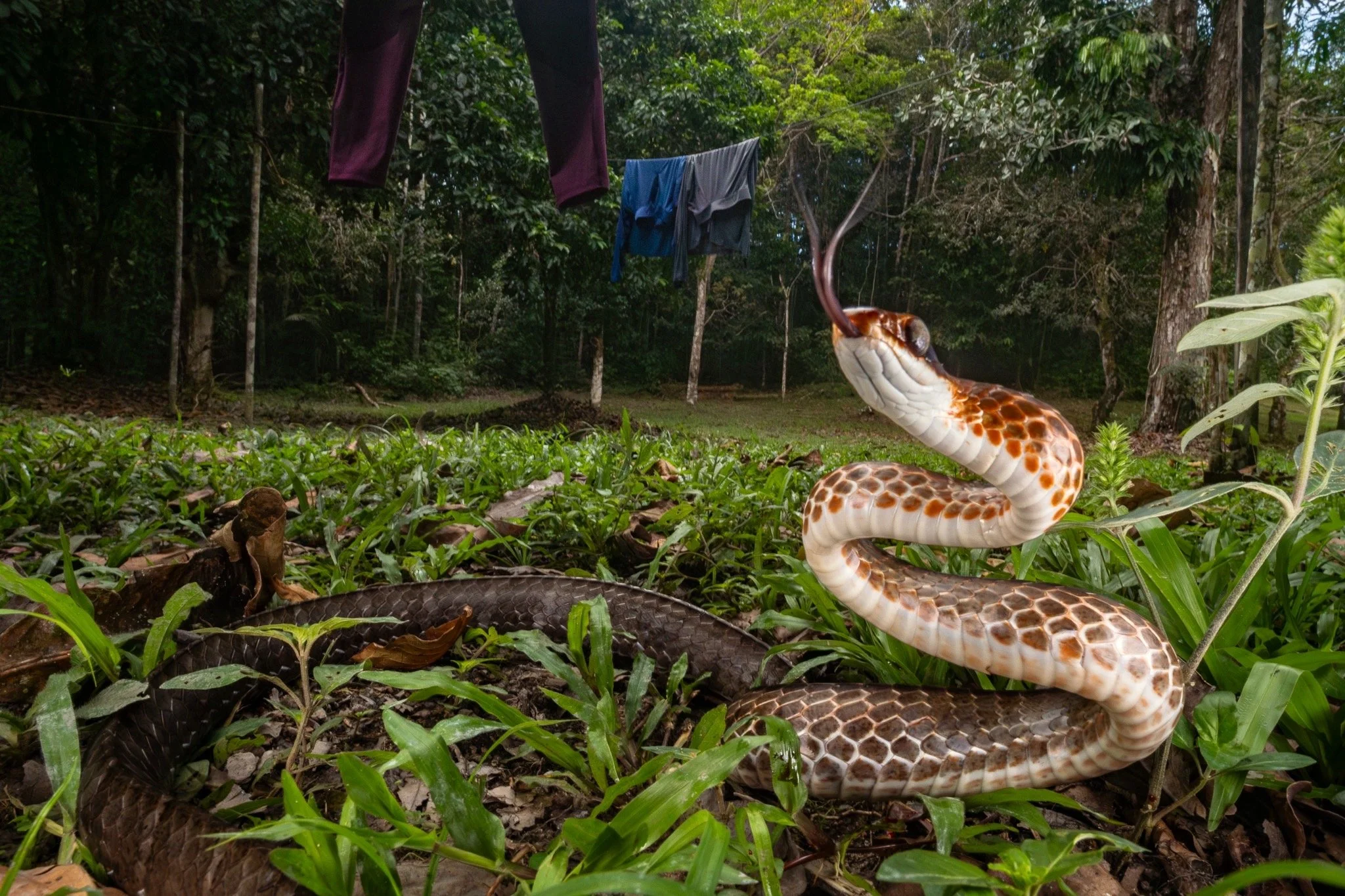
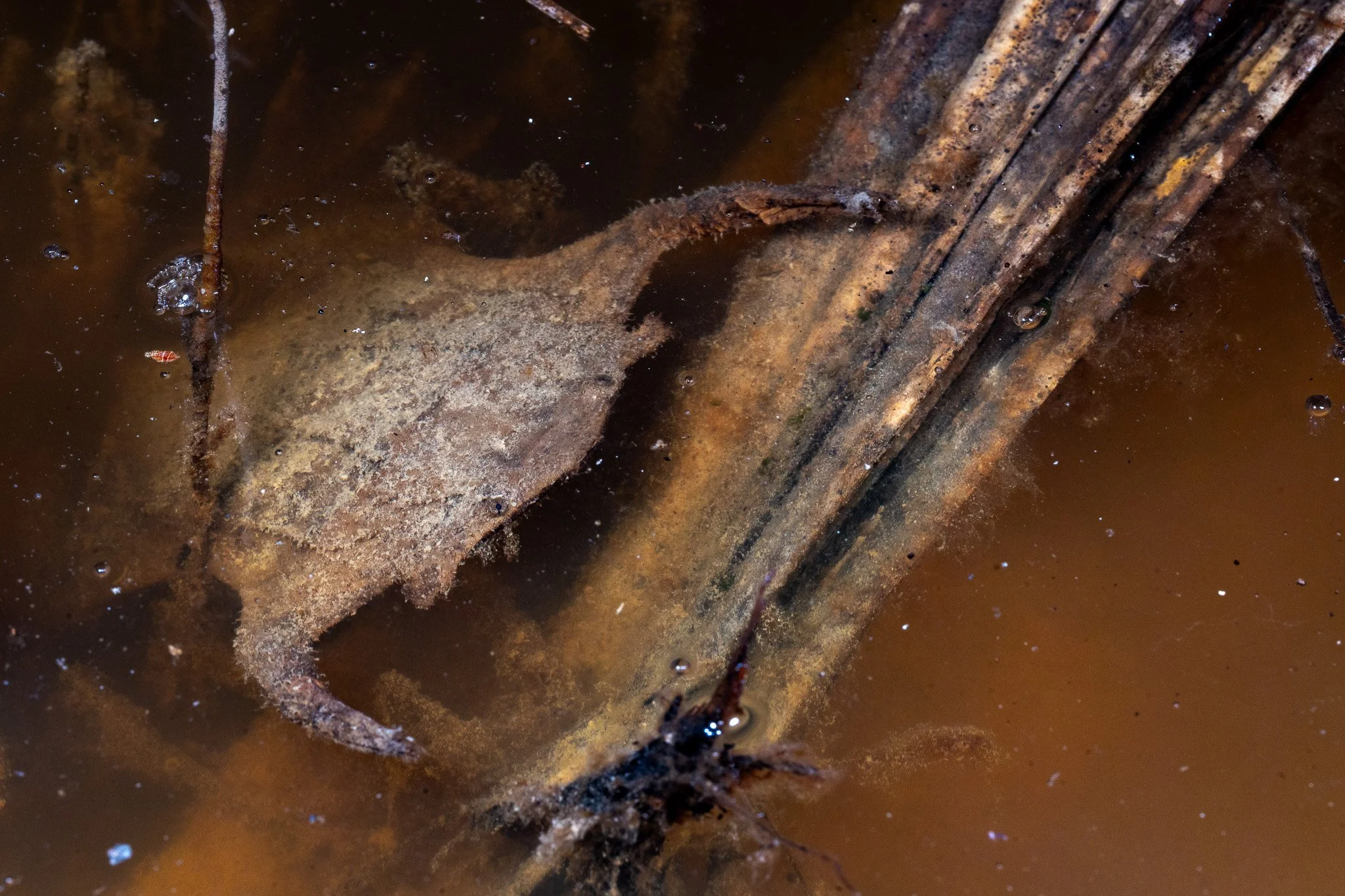
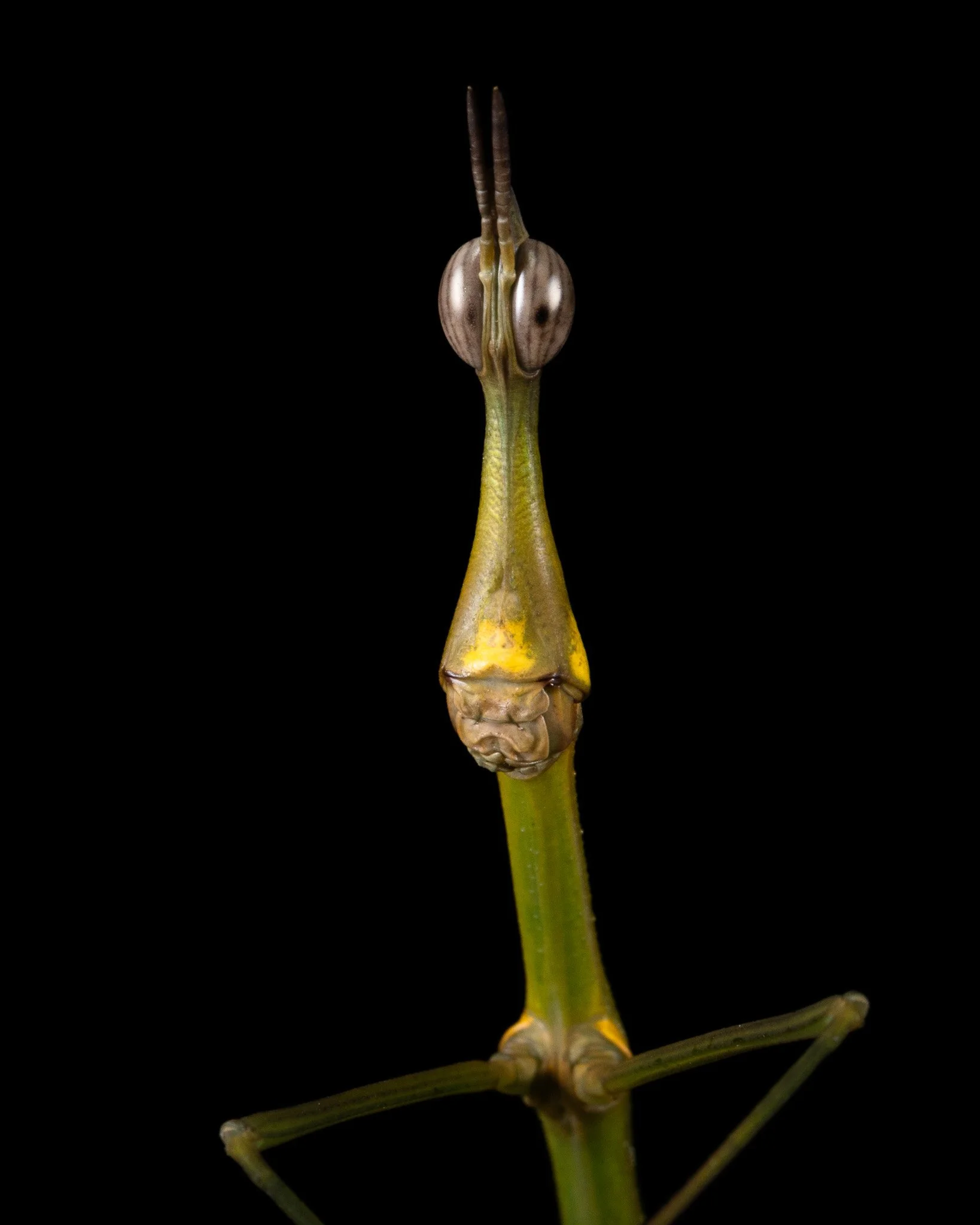
The Amazon Rainforest is famous for its biodiversity. During the course, I saw animals, fungi and plants I never knew existed. Some of the animals we saw were even undescribed species, like the flatworm pictured right. Using photography to document the biodiversity around our field station has created records that help researchers understand what is present in the area.
In addition to documentary-style photography, my time with
Igapó let me photograph researchers actively working in the field.
View the full photography portfolio here.
Photography


Content Creation
To help promote their fieldwork course, I created multiple social media posts. To see more examples of this work, check out my Instagram page.
Illustration
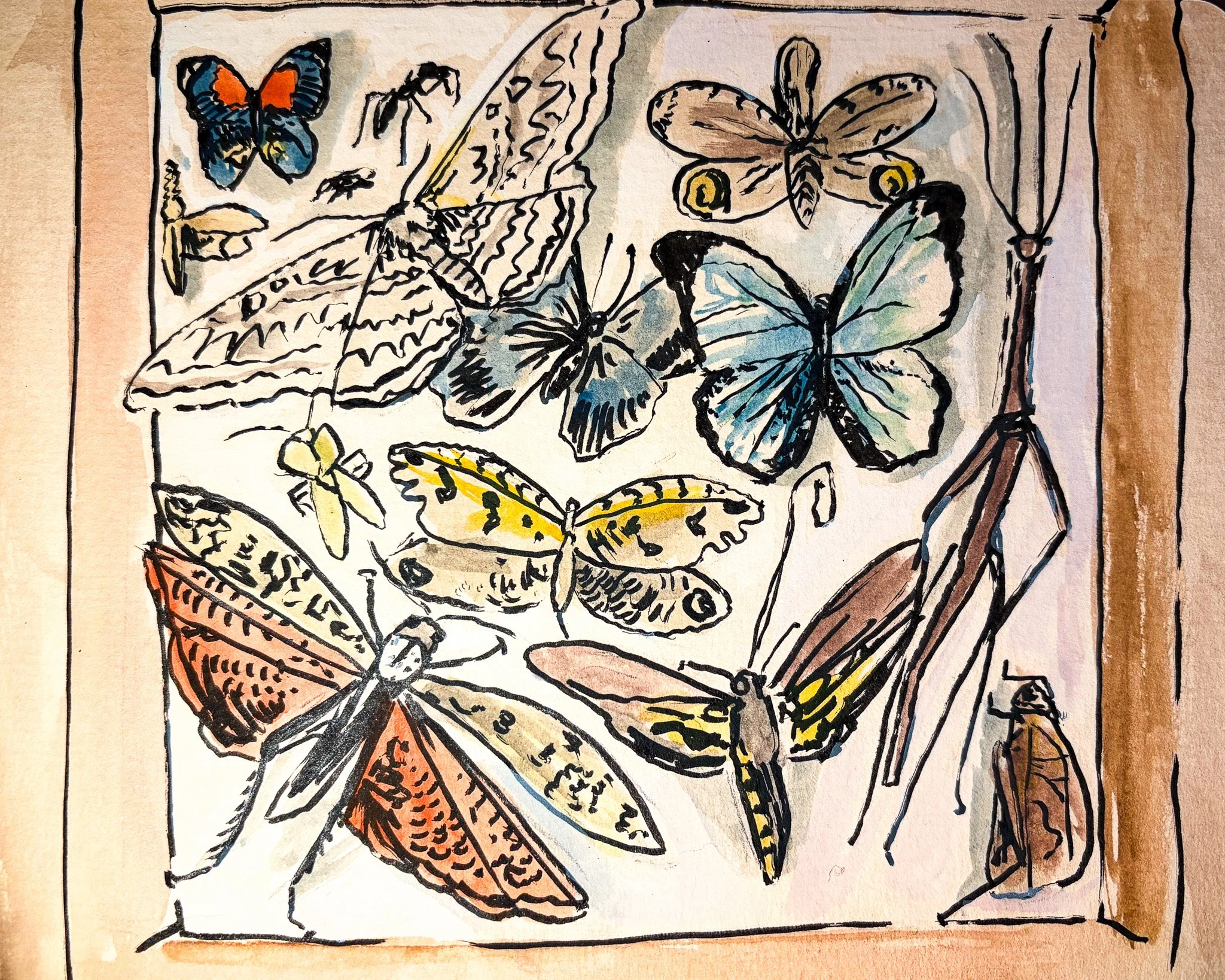
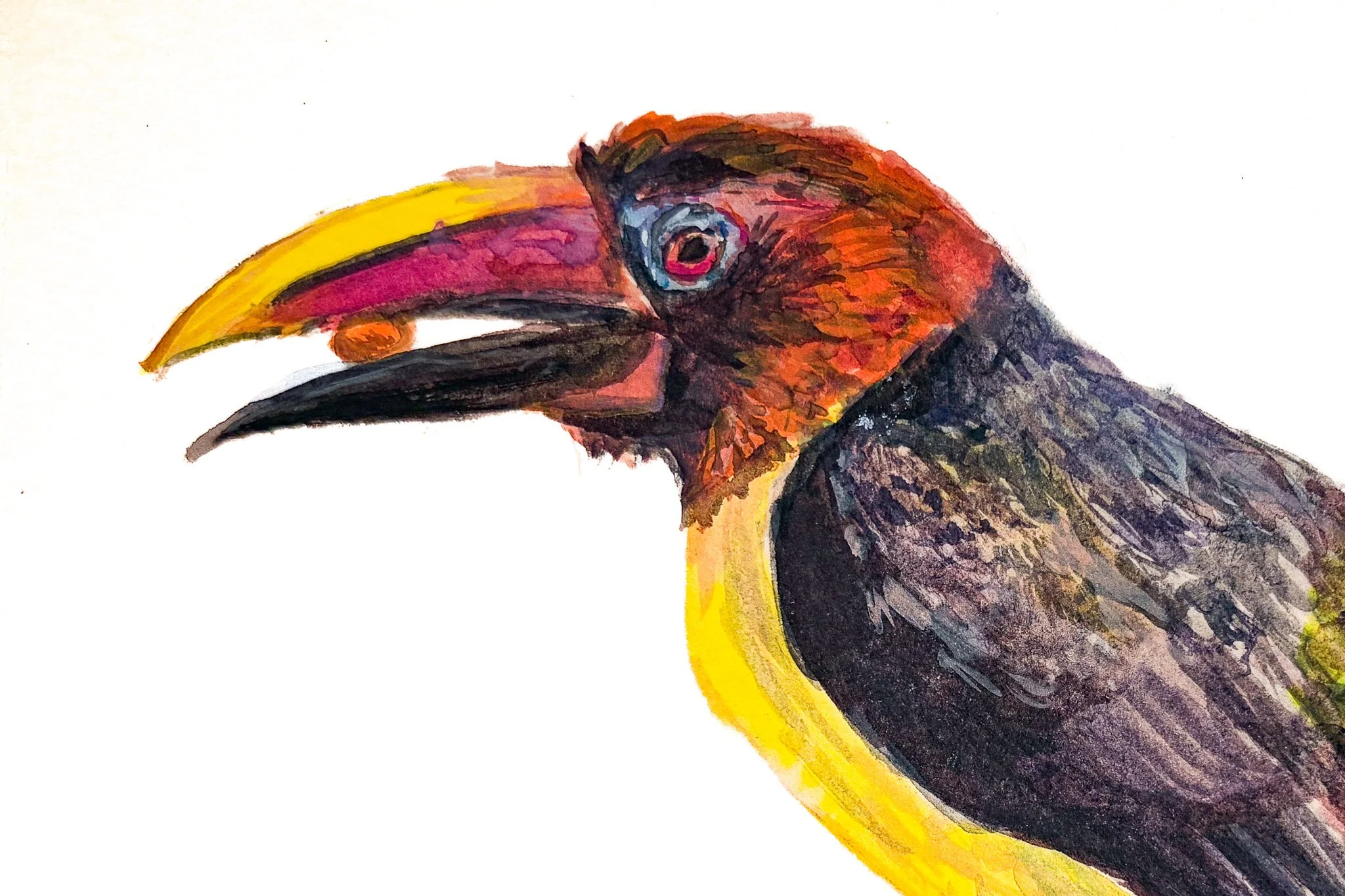
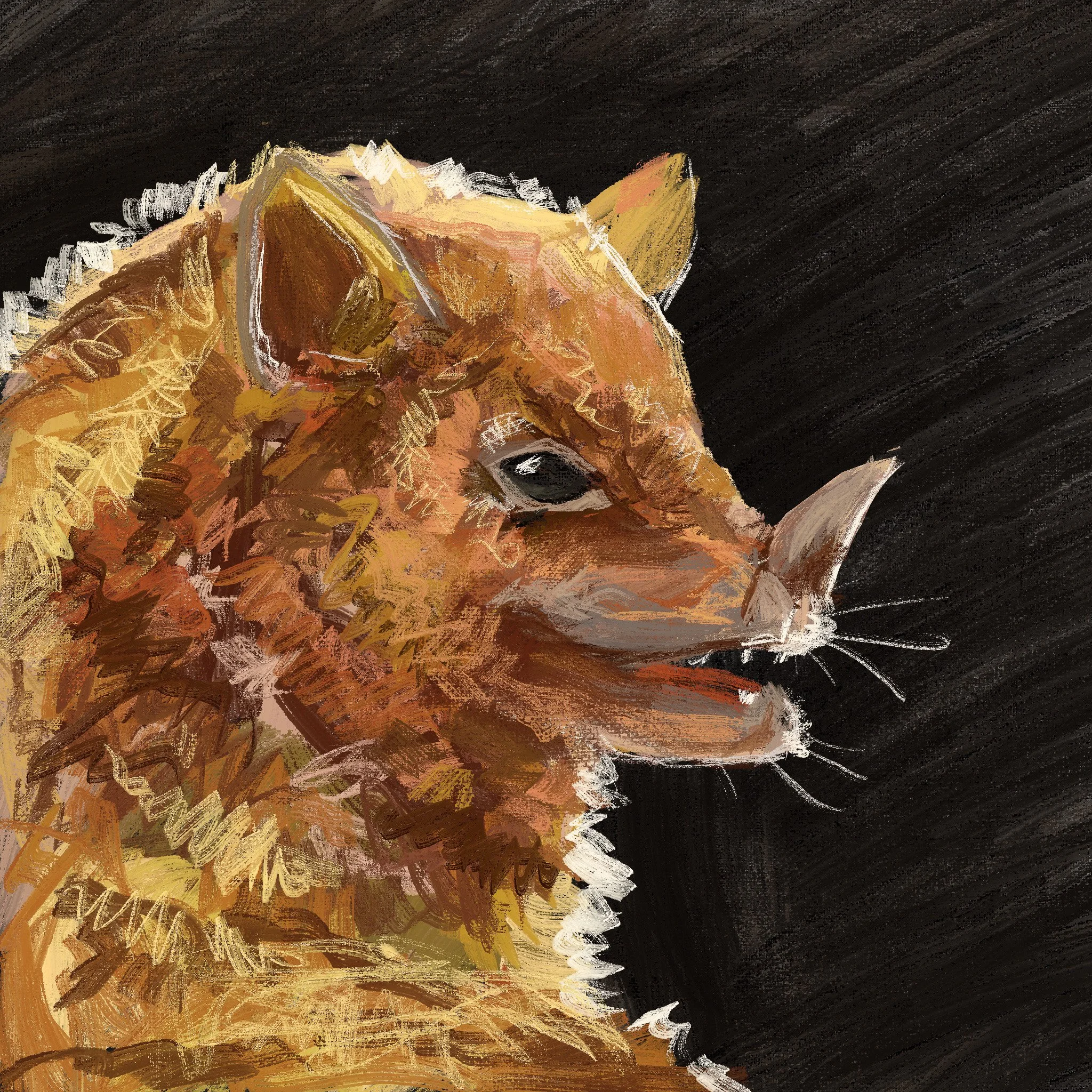
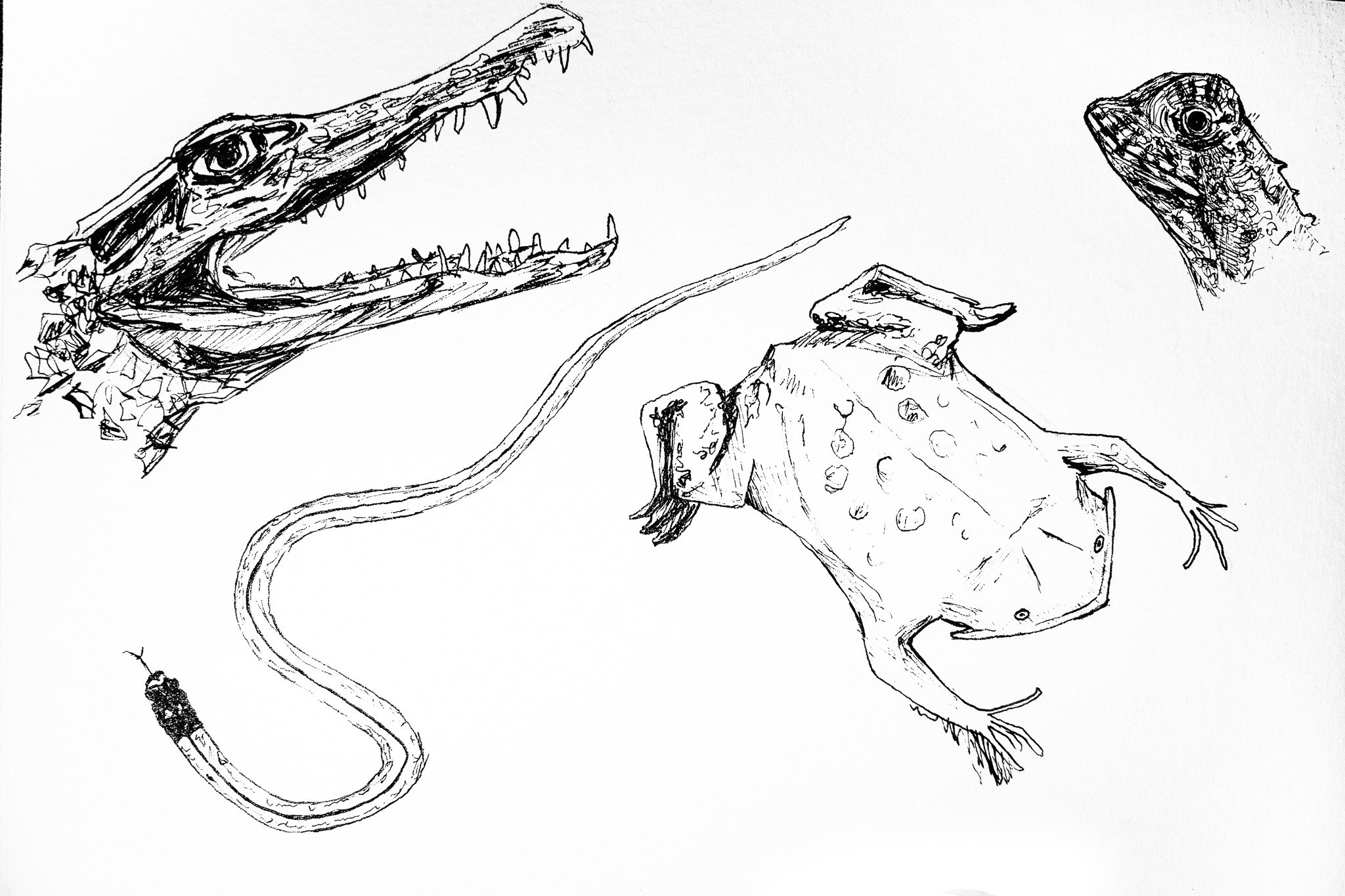
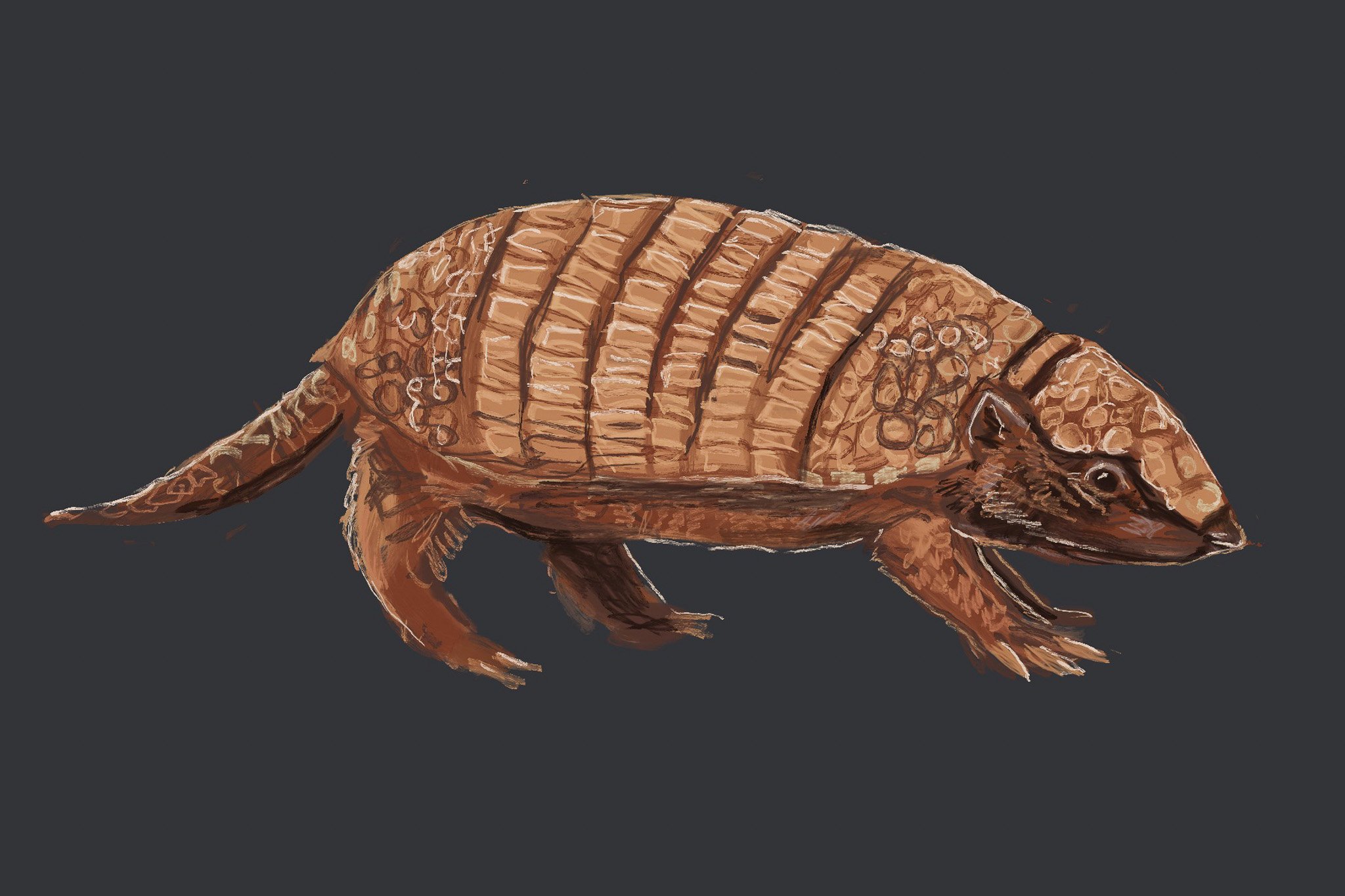
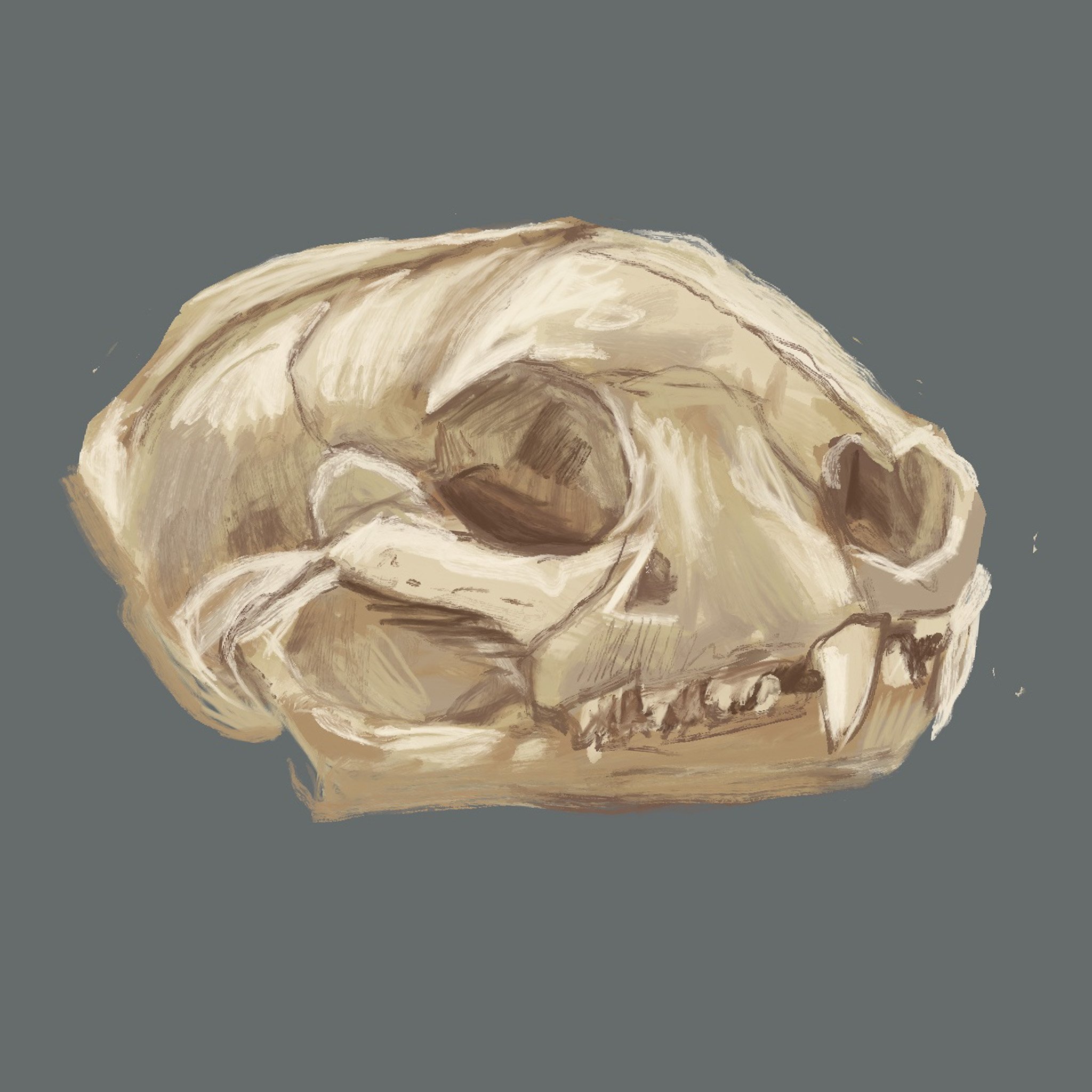
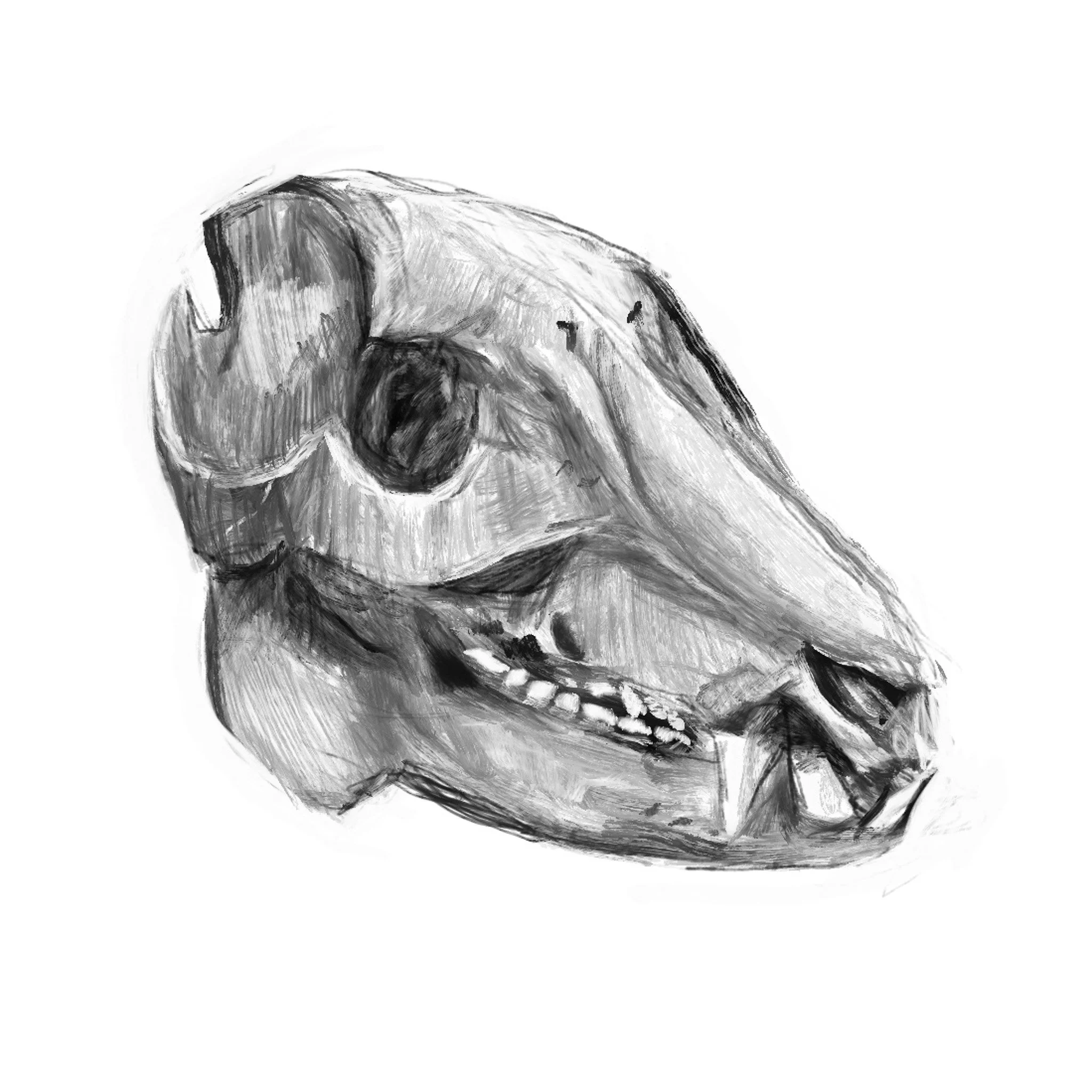
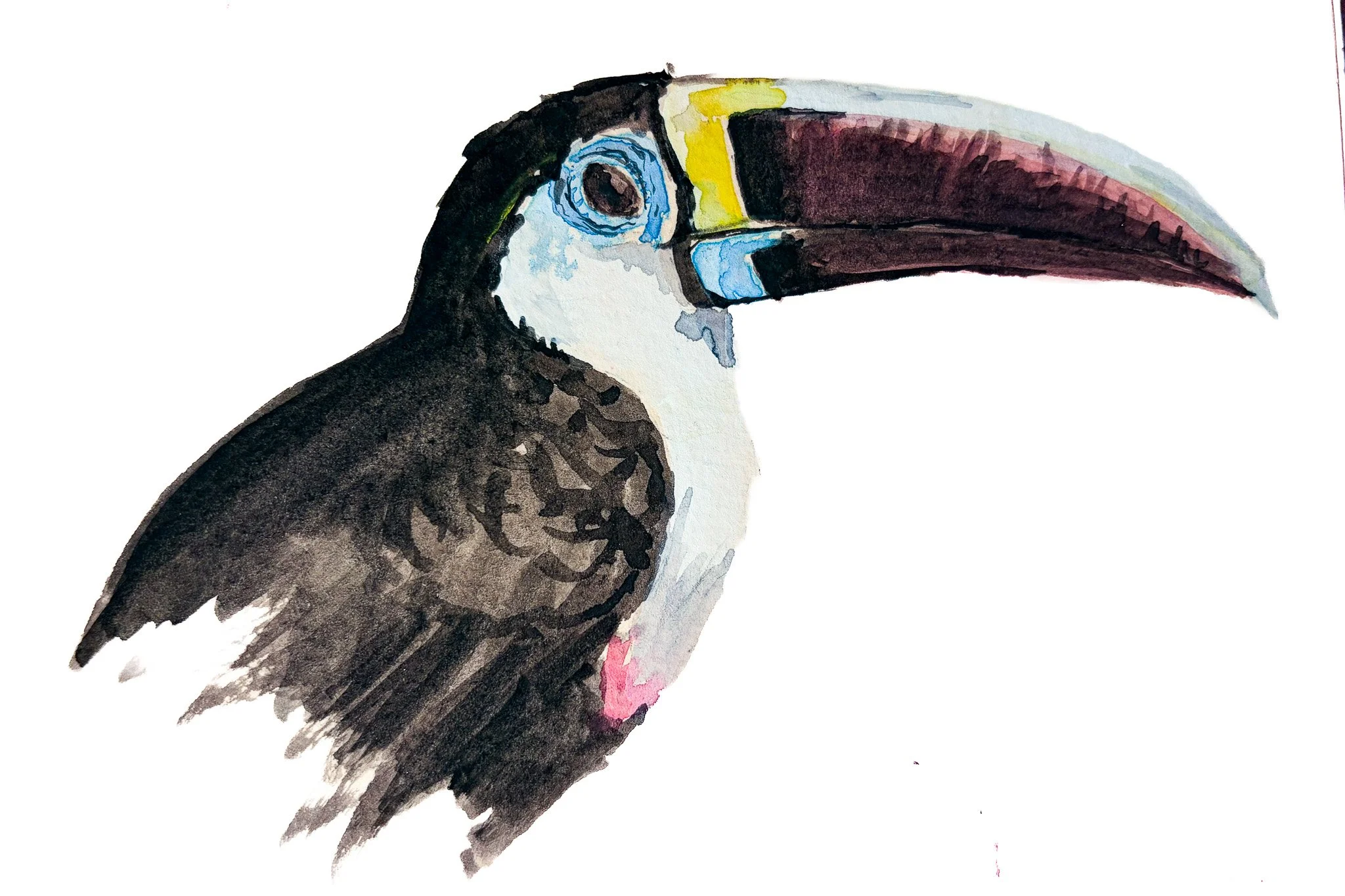
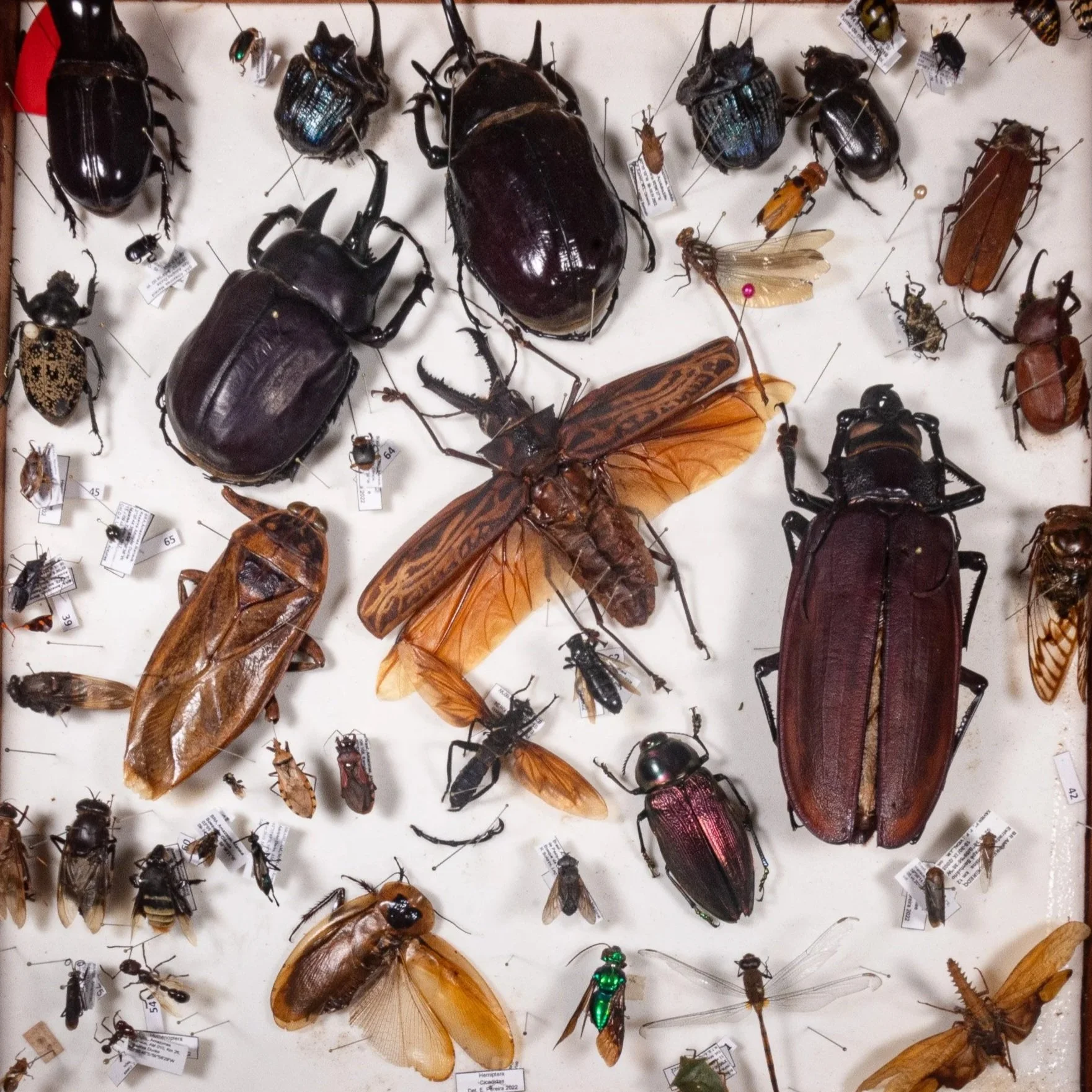
In addition to creating photographs, I spent much of my downtime working on sketches inspired by my time in the field. These involved conducting short studies from life, with one of the biggest resources being the taxidermy and preserved specimens each professor brought. This let me get a better feel for the animal than images alone and view my subject in three dimensions. I was able to complete some of these studies digitally using a tablet I had brought along, although this work was limited to the classroom.
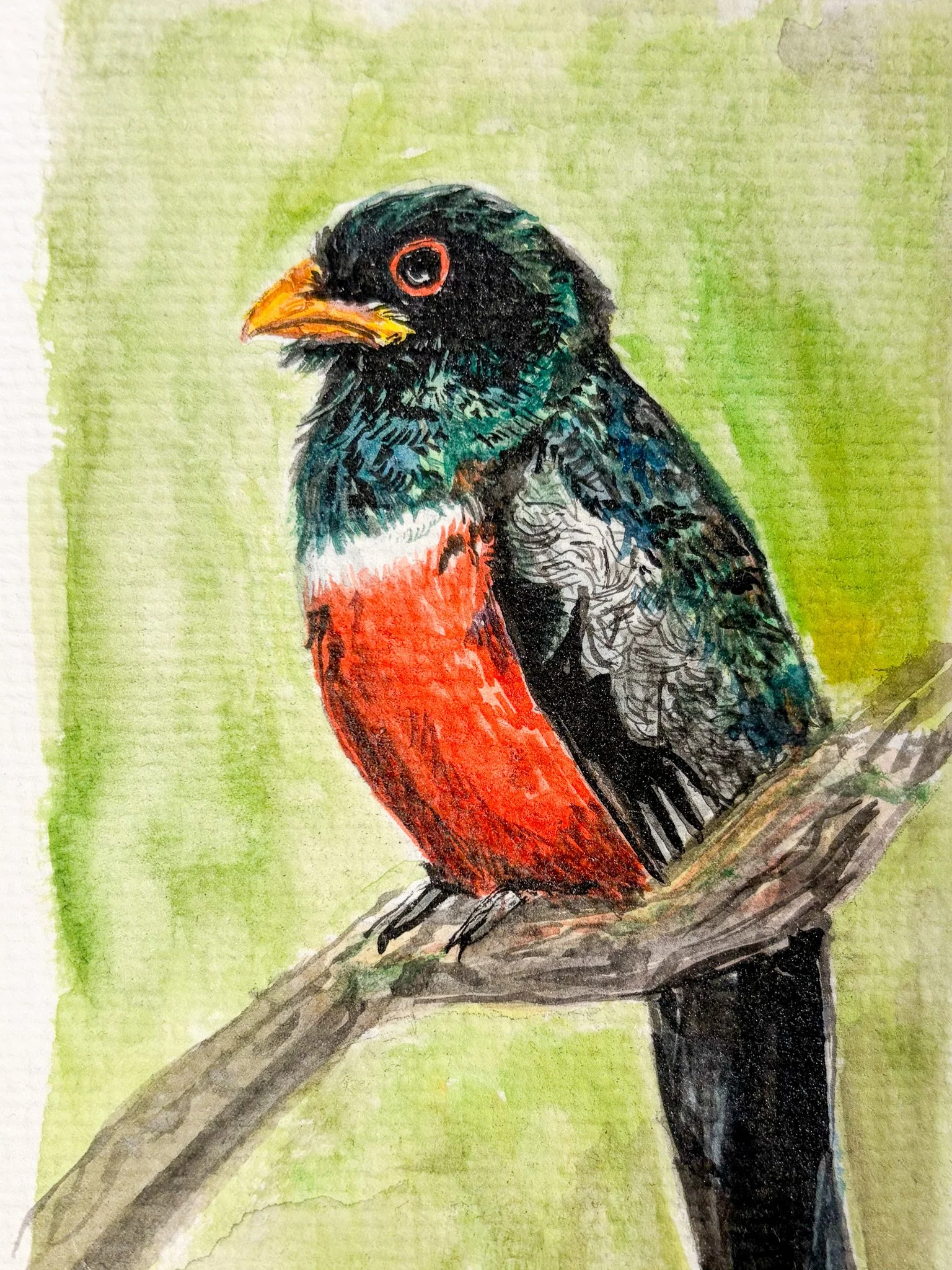
When we would have downtime outside, I would find specific species we had seen and draw them based on their images in the different field books at the research station. This helped me solidify my understanding of how much diversity exists in the tropics while experimenting with ways to share this knowledge with others visually, beyond just taking pictures.